Chicken Coops Built for Healthy, Secure Backyard Flocks
September 15, 2026
Raising chickens at home can provide fresh eggs, help families become more self-sufficient, and turn an unused part of the yard into a productive space. A successful backyard flock, however, starts with more than buying a few hens. Chickens need a properly designed shelter that keeps them comfortable, protected, and easy to care for throughout the year.
Quality chicken coops provide a dedicated place for birds to sleep, lay eggs, escape bad weather, and stay protected from predators. The right structure can also make everyday chores much easier for the owner.
For homeowners throughout Western Pennsylvania and Eastern Ohio, changing seasons make thoughtful coop design especially important. A structure needs to handle summer heat, rain, wind, cold temperatures, and winter weather without creating an unhealthy environment for the flock.
Start With Enough Space for Your Flock
One of the first decisions when choosing a chicken coop is determining how large it should be. A coop that works well for four hens may become crowded quickly if the flock grows to eight or ten birds.
As a general starting point, many standard-size chickens benefit from roughly 3 to 4 square feet of indoor coop space per bird, plus substantially more room in an outdoor run. Around 8 to 10 square feet of run space per chicken is a useful guideline when birds do not regularly free range. Larger breeds may need additional room.
Giving chickens adequate space helps reduce stress, excessive pecking, moisture buildup, and competition for food or nesting areas.
It is also worth planning for the future. Backyard chicken keeping often starts with a small flock, but owners sometimes decide to add more hens later. Choosing a slightly larger structure at the beginning can prevent the need to replace or significantly modify the coop after only a few seasons.
Good Ventilation Keeps the Coop Healthier
Ventilation is one of the most important parts of a functional chicken coop.
Chickens naturally produce moisture through breathing and waste. Without sufficient airflow, humidity and ammonia can build up inside the structure. This can make the coop unpleasant to maintain and potentially contribute to respiratory problems within the flock.
Ventilation Should Not Mean Cold Drafts
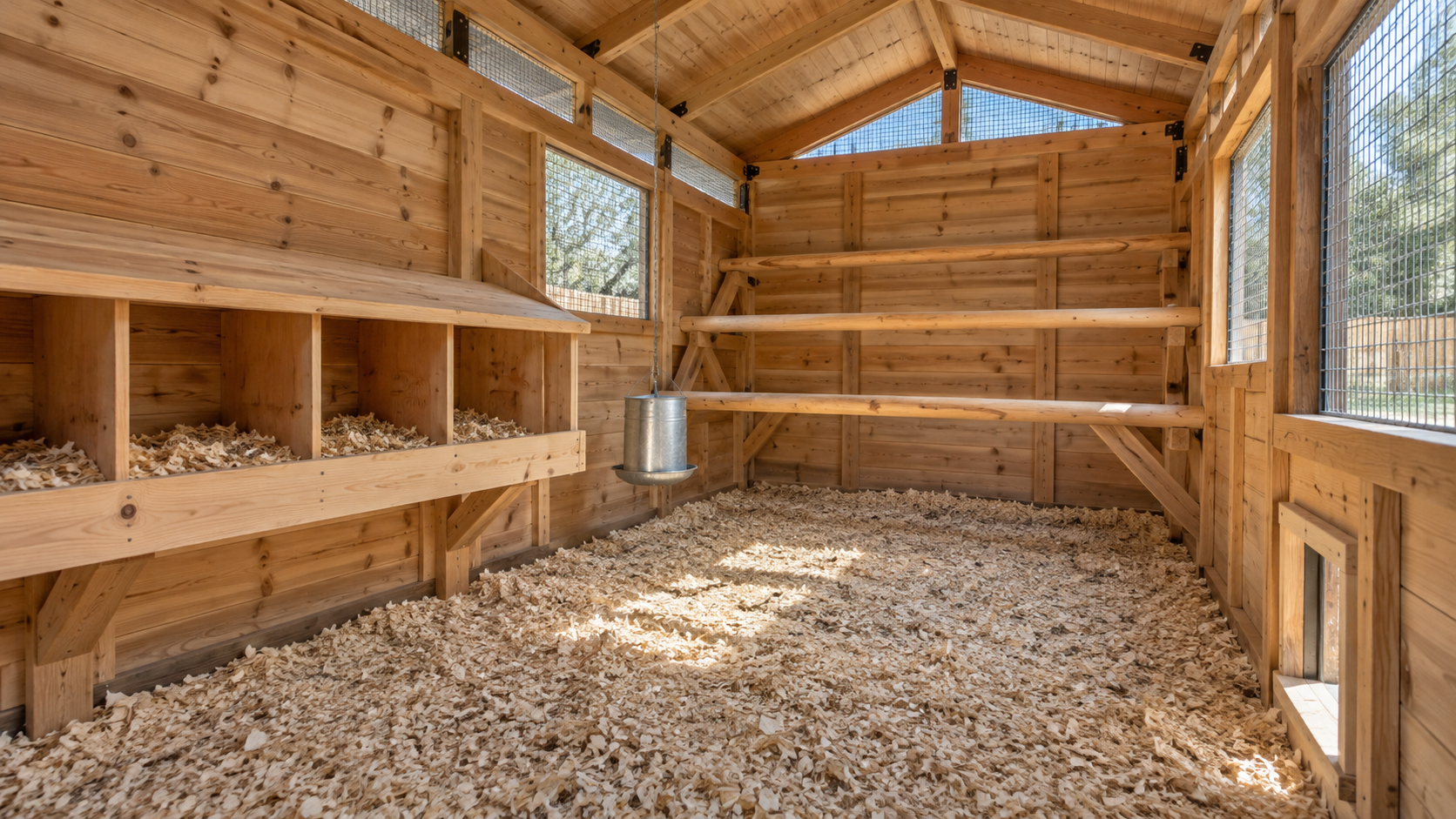
Proper airflow should generally be positioned above the birds rather than blowing directly across their roosting area. Vents near the upper portion of the coop allow warm, humid air to escape while helping the sleeping area remain protected.
Windows can also provide natural light and seasonal airflow. When properly screened and secured, they help keep the interior brighter and more comfortable without sacrificing protection.
In a region that experiences both warm summers and cold winters, having adjustable ventilation can be especially useful.
Make Predator Protection a Priority
A backyard coop needs to protect chickens during the hours when they are most vulnerable. Raccoons, foxes, stray animals, and other predators can take advantage of surprisingly small openings.
Strong walls and doors are only part of the solution. Openings for windows and ventilation should also be protected with durable wire mesh or hardware cloth.
Door latches should be difficult for animals to manipulate. Simple hooks that are easy for a person to open may also be surprisingly easy for a determined raccoon.
If the chicken run connects directly to the coop, its security deserves the same attention. Reinforcing the lower perimeter or extending protective material along or beneath the ground can help discourage predators that attempt to dig under the enclosure.
Give Chickens Comfortable Roosting and Nesting Areas
Chickens naturally look for an elevated place to sleep at night. Installing sturdy roosting bars gives them a comfortable place to settle while keeping them off the coop floor.
Roosts should provide enough room for the flock without placing birds directly above nesting boxes, feeders, or other areas that need to remain clean.
Nesting boxes should be placed in a relatively quiet part of the coop where hens can lay eggs without unnecessary disturbance. They should also be easy for the owner to reach.
Convenient access makes daily egg collection faster while reducing the need to enter the entire coop every time eggs are gathered.
Think About Cleaning Before Choosing a Design
A chicken coop might look attractive from the outside, but maintenance determines how pleasant it is to own over the long term.
Doors should be large enough to provide easy access for removing bedding and cleaning the floor. Nesting areas should be reachable without awkward bending or climbing, and interior surfaces should avoid unnecessary spaces where debris can collect.
Easy Access Saves Time Every Week
Features such as a full-size access door, removable bedding areas, accessible nesting boxes, and practical flooring can significantly reduce the amount of time required for routine maintenance.
Keeping the coop clean also helps manage moisture, odors, insects, and general flock health.
A thoughtfully designed structure turns cleaning into a manageable routine instead of a major project.
Choose the Right Location in Your Yard
The location of a chicken coop affects comfort, drainage, maintenance, and even how well the structure holds up over time.
Look for a relatively level area with good drainage. Low spots where water collects after heavy rain can lead to muddy runs, excess moisture, and deterioration around the base of the structure.
Some afternoon shade can help during warm summer weather, while access to natural sunlight can keep the coop bright and encourage the ground around it to dry after rain.
Owners should also consider convenience. A coop positioned reasonably close to the home makes collecting eggs, providing water, and checking on birds easier, especially during winter.
Before installation, homeowners should check any municipal zoning requirements, property setbacks, neighborhood rules, or limits on flock size that may apply to their property.
A Shed-Style Chicken Coop Offers Practical Advantages
A professionally built, shed-style coop can provide more usable space than many small prefabricated backyard kits.
Solid construction provides room for proper ventilation, nesting areas, roosts, feed storage, and comfortable access for the owner. It can also create a more permanent appearance that fits naturally alongside other outdoor structures.
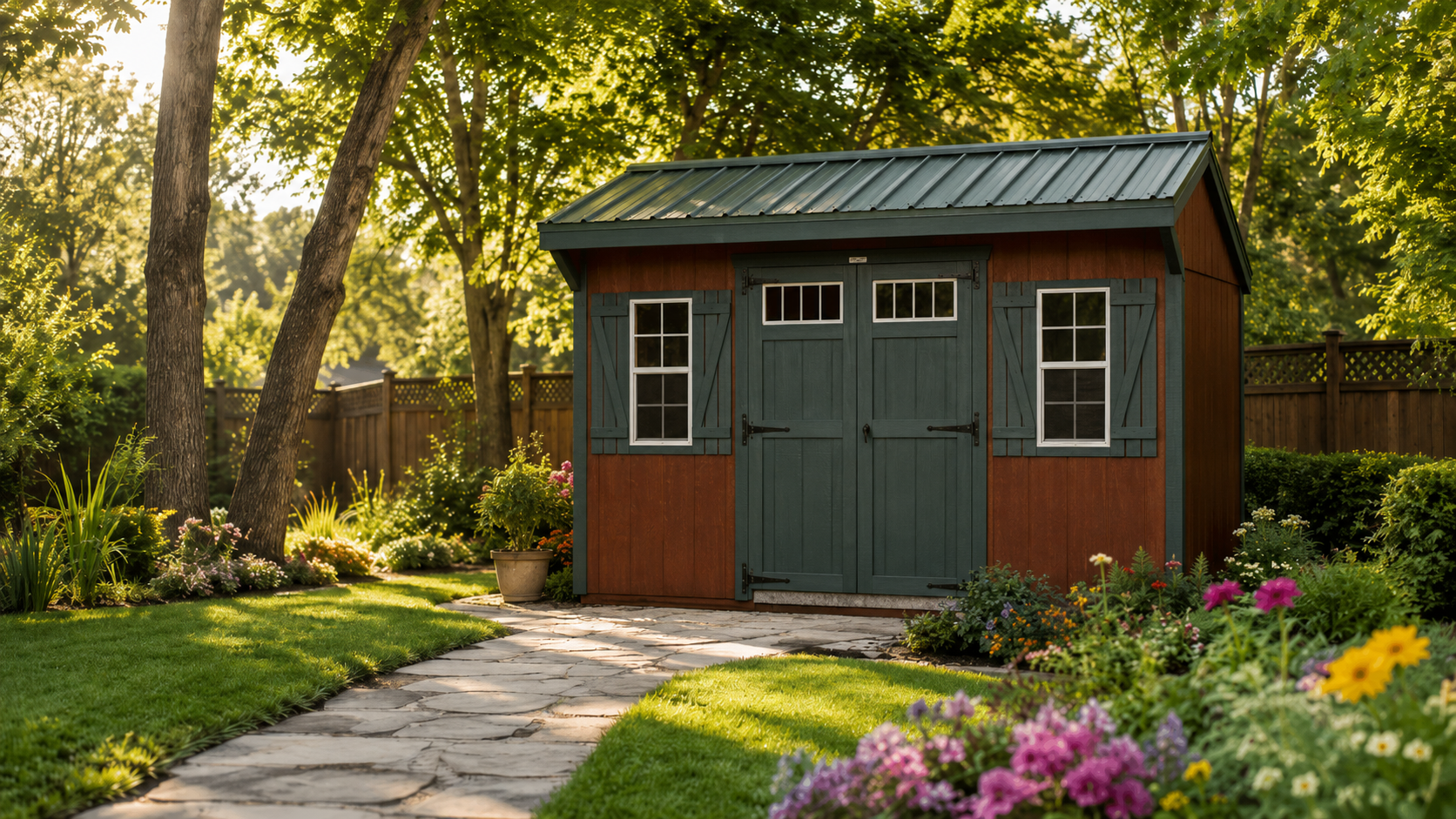
For homeowners who want their coop to complement an existing shed, garage, or home exterior, choosing coordinated siding, roofing, trim, or other design details can make the entire property look more cohesive.
Ken’s Sheds already focuses on durable outdoor structures and custom design options, making the same practical approach valuable when planning a chicken coop.
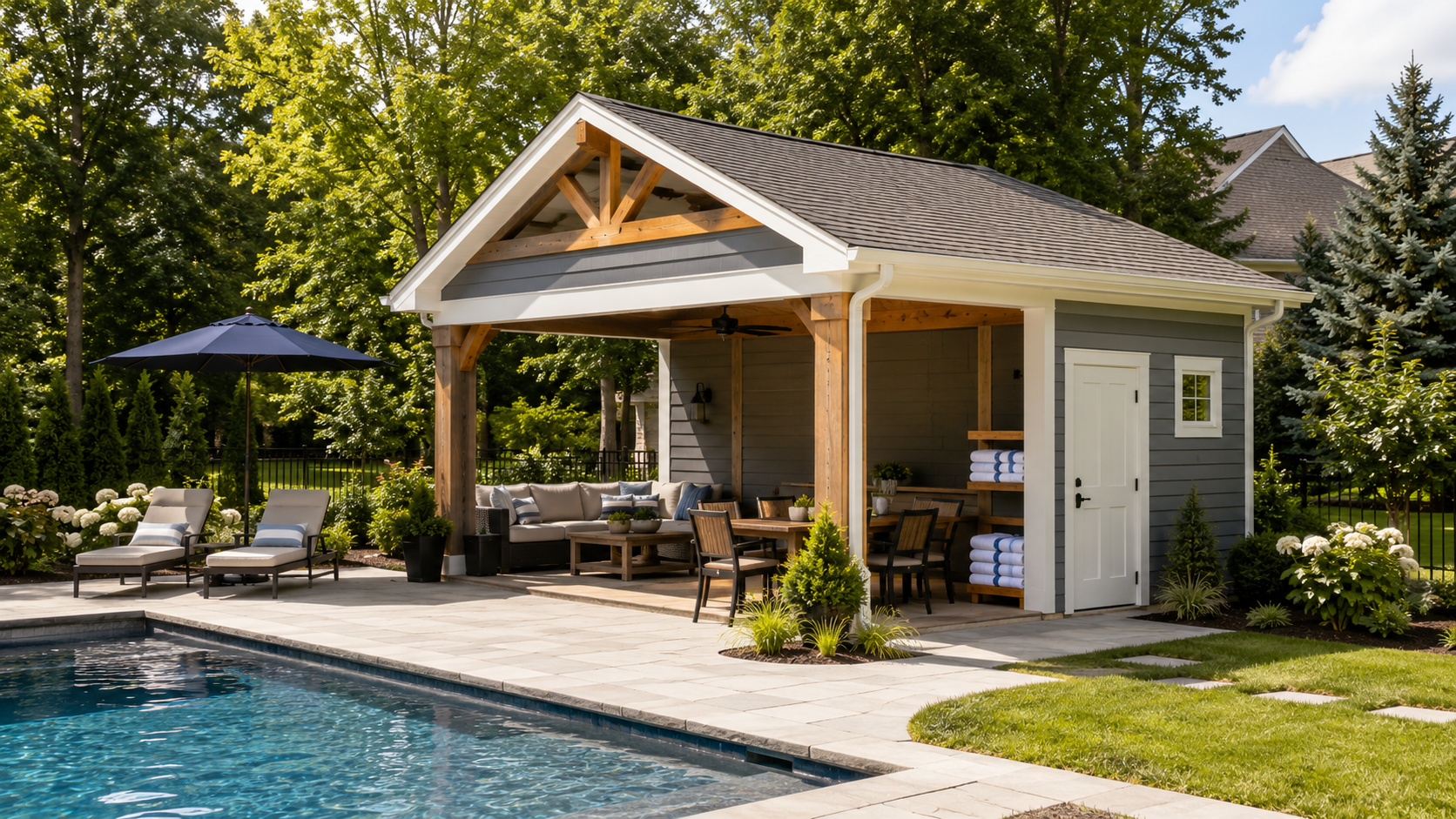
Poolside Cabanas Can Make Outdoor Living Easier
A poolside cabana creates a convenient transition between swimming and relaxing. Guests have a nearby place to sit in the shade, store personal items, or enjoy refreshments without walking through the house.
The structure can also help keep the pool area organized. Towels, floats, cleaning tools, and other supplies can be kept close at hand while remaining out of sight when they are not needed.
For added convenience, homeowners may want to plan space for hooks, shelving, benches, or cabinets. These small features can make a noticeable difference during regular use.
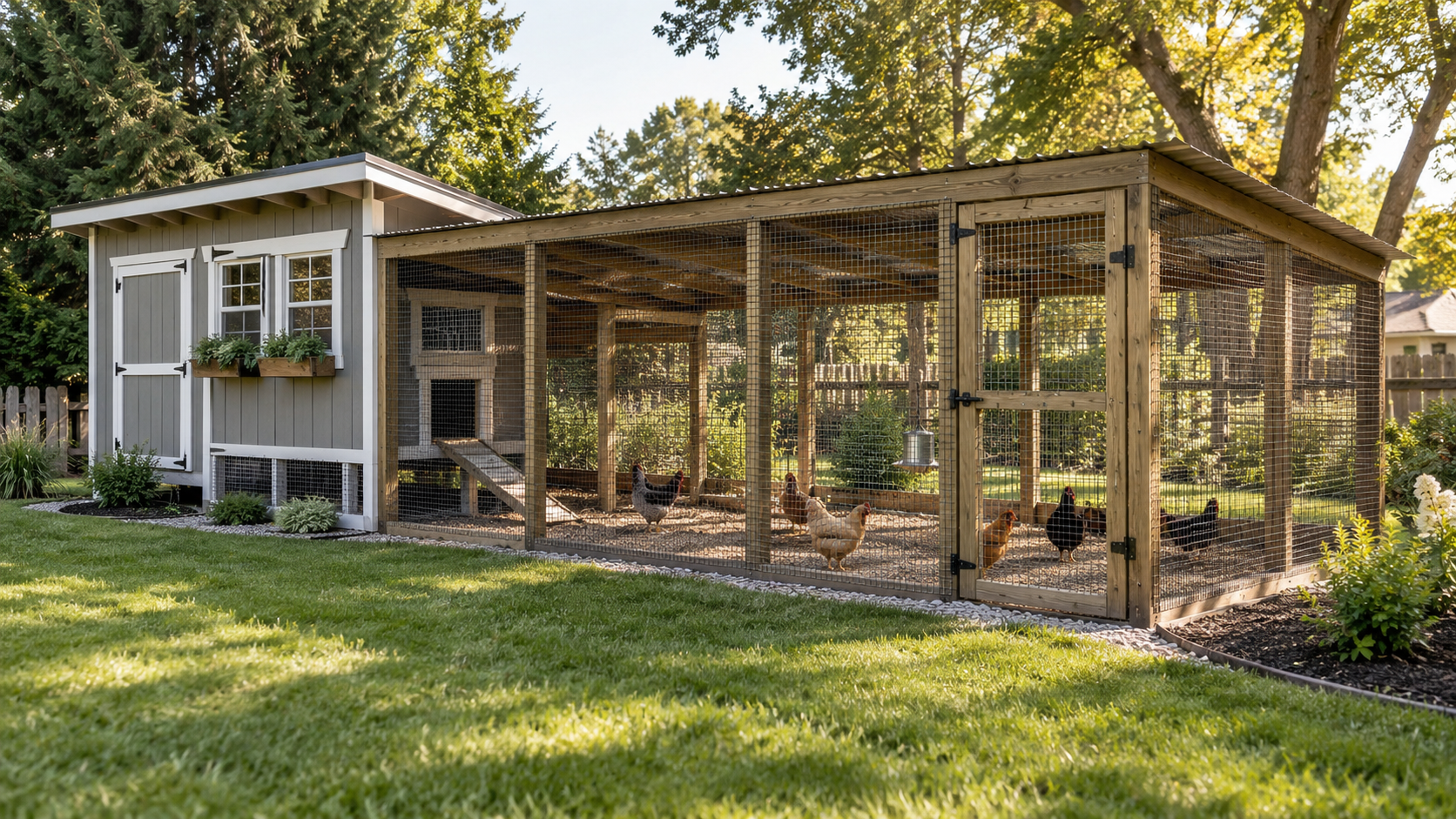
Plan the Outdoor Run Along With the Coop
The enclosed building is only one part of the chickens' living area. Unless birds will regularly free range, a secure outdoor run gives them room to walk, scratch, dust bathe, and explore while remaining contained.
A good run should provide enough space for the number of birds being kept and include some protection from intense sun and bad weather.
Placing feed and water where they remain protected from rain can reduce waste and make daily care easier. Owners may also want enough height to comfortably enter the run for cleaning and maintenance.
Designing the coop and run together from the beginning often produces a much more practical setup than adding an enclosure as an afterthought.
Choose a Coop You Will Still Appreciate Years From Now
A chicken coop becomes part of the property, so durability and day-to-day usability matter just as much as appearance.
Think about the size of your current flock, possible future expansion, ventilation, predator protection, nesting areas, cleaning access, drainage, and placement before selecting a structure. A little extra planning can prevent many common frustrations later.
The best chicken coops make caring for birds simpler while giving the flock a secure and comfortable place to live through every season.
If you are planning to raise chickens and want a coop that fits your property, flock size, and outdoor space, contact Ken’s Sheds to discuss your chicken coop options and find a practical structure built for your needs.
You might also like